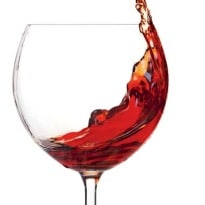
Wine and snobbery have a time-honoured association, securely planted in the premise that appreciating the drink requires a developed palate and an intimidating thesaurus accessible only to a privileged few. It's enough to drive you to drink. But before you do, here's a quick survival guide.It's fairly oozing luxury at the wine-tasting session arranged by Aspri Spirits, exclusive distributors of fine wines from the house of Domaines Baron de Rothschild-Lafite for India. Bordeaux resident Michel Negriér, Export Manager, BR Lafite is the head of the table, seated at which are a handful of attendees, some clearly well-informed on wines, and other simulating equal expertise. We notice someone frowning at the sight of our fingers around the bowl of the glass. Quickly we slide them down to the stem and make a mental note to keep them there.Most present know the sequence to this whole routine that begins with the swirling, moves on to sniffing, savouring and sipping, then slides into the dramatic moment of deliberation followed by a declaration of what's what "on the nose" and, "in the mouth," all of which is quite frankly a lot of noise "in the ear" for most of us.
Before serving a young wine, pour it in a decanter and let it air for about two hours. Pics/Nimesh Dave
What on earth does it all mean?"Wine appreciation takes years and is a continuous process," says Delhi-based sommelier Magandeep Singh. But far from scoffing at our ignorance, he steps up to contribute suggestions for our cheat sheet.
Know your glassSimplifying the process of choosing the right glass for the right wine, Singh explains, "A wine should be treated like a person. A big person needs a big place to sit, a petite person requires less space. Similarly, a heavy wine needs a big glass, a smaller wine needs a small glass." Air makes the wine open up and heavier wines taste better when they've been allowed to breathe so these should be served in larger glasses.
A leggy drinkNegriér recommends, "Fill only 1/3rd of your glass with wine; keep 2/3rd empty to allow the drink to oxidise gently. It allows the molecules to reach the nose so you can enjoy the full flavour of the wine." He adds, "If you see a trail form on the sides of the glass when you swivel the drink, this indicates alcohol content. A good wine has more alcohol so the trail or what we call 'the legs' will linger."
Breathe easy"Before I serve a good young wine, I'd open it, pour it into a decanter and let it air for about two hours," says Singh. The oxygen boosts the aroma and expression of the wine, and swirling the wine in the glass achieves the same purpose.
Keep it coolNegriér says, "Some vintages are of incredible quality so those wines can be kept for longer and won't go off even after 35 to 40 years. Other wines are meant to be enjoyed within two to five years. Wines that can be kept for long are best stored in a cool space, sheltered from the sunlight and these should be kept sideways or lying down, else a natural deposit may build up after several years."
Palate matePointing out that pairing wine with food requires finding a sort of yin-yang balance, Negriér adds, "All the flavours must come together to create a balance in your mouth." He recommends serving cheese when you're serving a mishmash of food and you're just not sure what wine to serve. "Most of the time, cheese will compliment wine but it shouldn't be too strong or too mature like camembert," he shares. Singh on the other hand offers the adage, "Buy on apples, sell on cheese," and explains, "Apples cleanse the palate so you can pick up on every flavour; cheese, on the other hand, coats the palate." This is the tip of the iceberg and there's so much more to know, but while both Negriér and Singh would recommend exposing your palate to different wines, the bottom-line as Singh points out, is that life is all about individual choices. "So when it comes to wine, respect yours and those of your friends."
Too warm for comfort?Like most other things around us, wines too get affected by global warming. "In France we used to harvest the crop in October, but now sometimes the harvest comes much earlier," says Negriér, adding that wine producing regions in California and Australia have been more affected, as it's hotter there. He says that all wineries are trying to adapt to this changing weather, altering their harvesting patterns accordingly. Pointing out that the real impact of global warming on wines may become obvious in the next few years, Singh says, "In California, the alcohol content in wine has become so high because of the scorching heat that they're now allowed to legally remove the alcohol from wine. Twenty years ago this wasn't even an issue. And England, a country that never made wine before, now produces wine of a quality that's comparable to French wine simply because it's getting warmer."
Before serving a young wine, pour it in a decanter and let it air for about two hours. Pics/Nimesh Dave
What on earth does it all mean?"Wine appreciation takes years and is a continuous process," says Delhi-based sommelier Magandeep Singh. But far from scoffing at our ignorance, he steps up to contribute suggestions for our cheat sheet.
Know your glassSimplifying the process of choosing the right glass for the right wine, Singh explains, "A wine should be treated like a person. A big person needs a big place to sit, a petite person requires less space. Similarly, a heavy wine needs a big glass, a smaller wine needs a small glass." Air makes the wine open up and heavier wines taste better when they've been allowed to breathe so these should be served in larger glasses.
A leggy drinkNegriér recommends, "Fill only 1/3rd of your glass with wine; keep 2/3rd empty to allow the drink to oxidise gently. It allows the molecules to reach the nose so you can enjoy the full flavour of the wine." He adds, "If you see a trail form on the sides of the glass when you swivel the drink, this indicates alcohol content. A good wine has more alcohol so the trail or what we call 'the legs' will linger."
Breathe easy"Before I serve a good young wine, I'd open it, pour it into a decanter and let it air for about two hours," says Singh. The oxygen boosts the aroma and expression of the wine, and swirling the wine in the glass achieves the same purpose.
Keep it coolNegriér says, "Some vintages are of incredible quality so those wines can be kept for longer and won't go off even after 35 to 40 years. Other wines are meant to be enjoyed within two to five years. Wines that can be kept for long are best stored in a cool space, sheltered from the sunlight and these should be kept sideways or lying down, else a natural deposit may build up after several years."
Palate matePointing out that pairing wine with food requires finding a sort of yin-yang balance, Negriér adds, "All the flavours must come together to create a balance in your mouth." He recommends serving cheese when you're serving a mishmash of food and you're just not sure what wine to serve. "Most of the time, cheese will compliment wine but it shouldn't be too strong or too mature like camembert," he shares. Singh on the other hand offers the adage, "Buy on apples, sell on cheese," and explains, "Apples cleanse the palate so you can pick up on every flavour; cheese, on the other hand, coats the palate." This is the tip of the iceberg and there's so much more to know, but while both Negriér and Singh would recommend exposing your palate to different wines, the bottom-line as Singh points out, is that life is all about individual choices. "So when it comes to wine, respect yours and those of your friends."
Too warm for comfort?Like most other things around us, wines too get affected by global warming. "In France we used to harvest the crop in October, but now sometimes the harvest comes much earlier," says Negriér, adding that wine producing regions in California and Australia have been more affected, as it's hotter there. He says that all wineries are trying to adapt to this changing weather, altering their harvesting patterns accordingly. Pointing out that the real impact of global warming on wines may become obvious in the next few years, Singh says, "In California, the alcohol content in wine has become so high because of the scorching heat that they're now allowed to legally remove the alcohol from wine. Twenty years ago this wasn't even an issue. And England, a country that never made wine before, now produces wine of a quality that's comparable to French wine simply because it's getting warmer."
Advertisement
For the latest food news, health tips and recipes, like us on Facebook or follow us on Twitter and YouTube.
Tags: